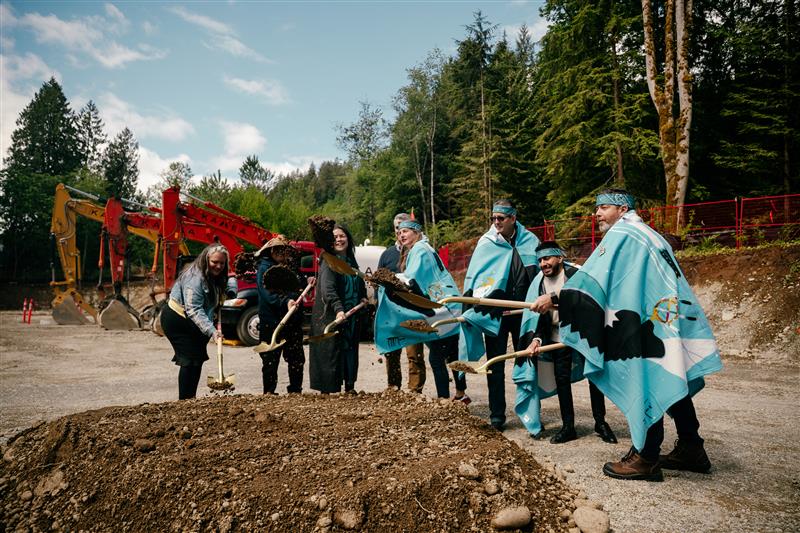
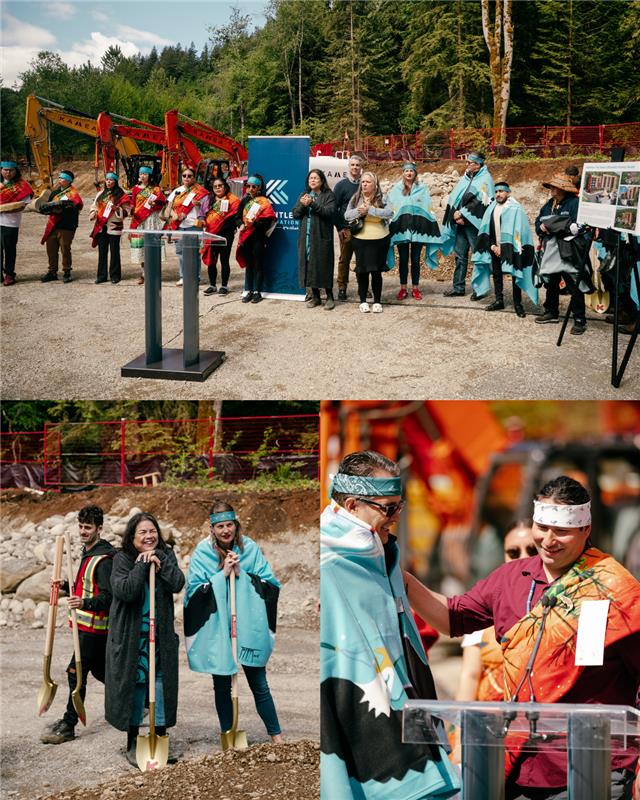
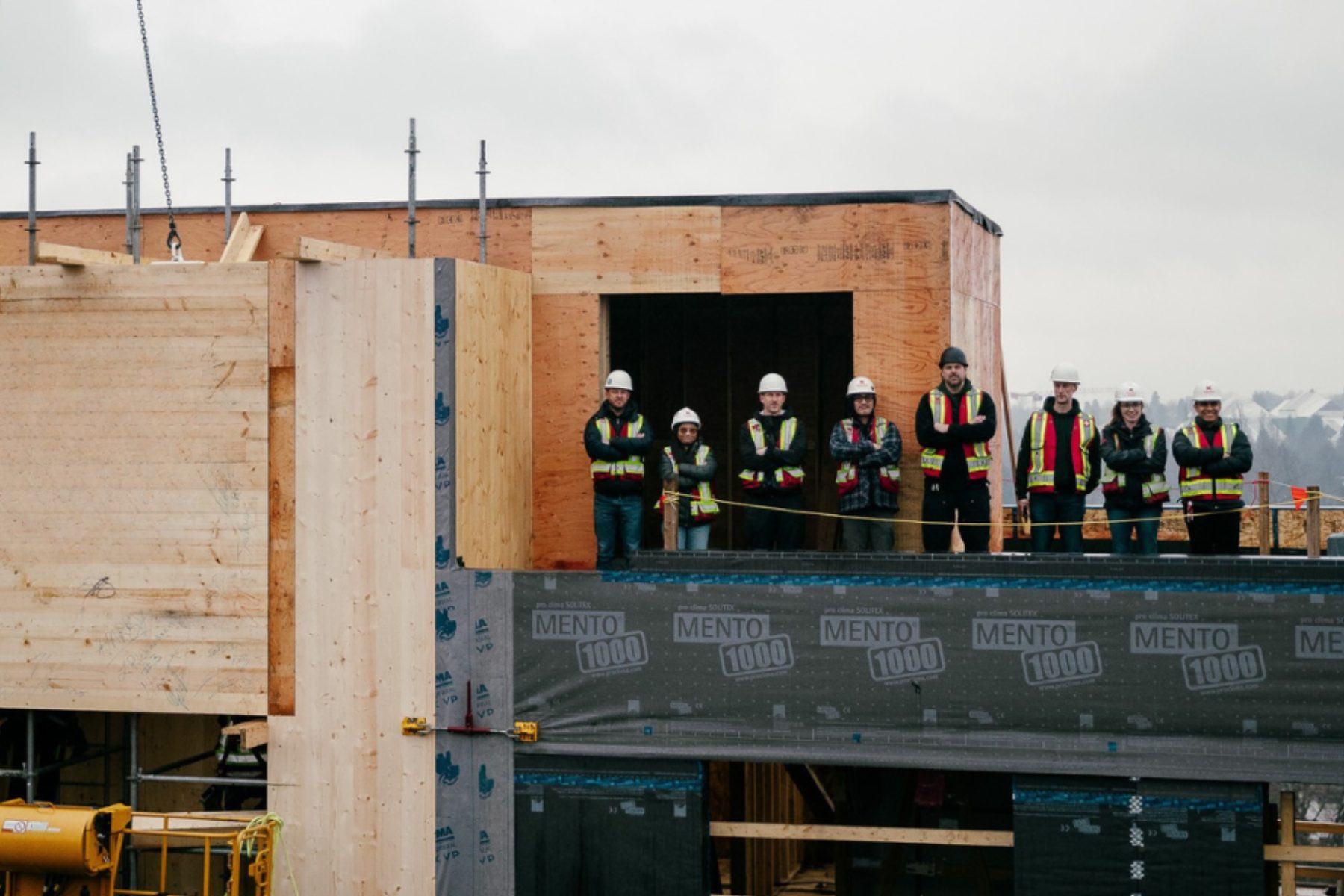
On Wednesday, May 21st, 2025, Kindred Construction was honoured to take part in the ceremonial groundbreaking of the Kwantlen Non-Market Housing initiative, located on traditional Kwantlen Nation territory on Langley IR2 near Mission, BC. This 6-storey, 75,400 square-foot development will provide 65 essential affordable rental homes for Kwantlen Nation Members, funded through BC Housing IHF (Indigenous Housing Fund) and operated by the Kwantlen First Nation Affordable Housing Society.
Situated amidst the natural beauty of the Stave River, this initiative is designed to foster a deep sense of community and connection while providing housing that allows Kwantlen people to remain on reserve and close to their roots. “This project rises from a place of rare power and beauty, near the river where the land speaks of generations past and generations to come,” said Paul Horn, Mayor of Mission, BC. “We are proud to witness this important milestone and look forward to the vibrant life this place will hold.”
Born from a pressing need for more on-reserve housing, the Kwantlen Non-Market Housing initiative is a response to the housing disparity faced by the Kwantlen Nation—a community of just over 400 Members, with only 16% of Members housed on reserve. In recognizing this gap, the Kwantlen Nation envisioned a multi-family, non-market rental community that would serve both Members and non-members alike. This is the first affordable housing project led by and for the Kwantlen people, and it was set in motion through the collaborative effort between the Kwantlen First Nation Affordable Housing Society, BC Housing (IHF),DYS Architecture, and Kindred Construction.
“Indigenous-led housing is the pathway to real change, and I am excited to see this become a place of culture and community – a place where children can grow and where individuals can sink in their roots and call it home,” remarked Christine Boyle, Minister of Indigenous Relations and Reconciliation. The project represents a meaningful step toward addressing the critical housing challenges confronting the community.
Homes for Multigenerational Living
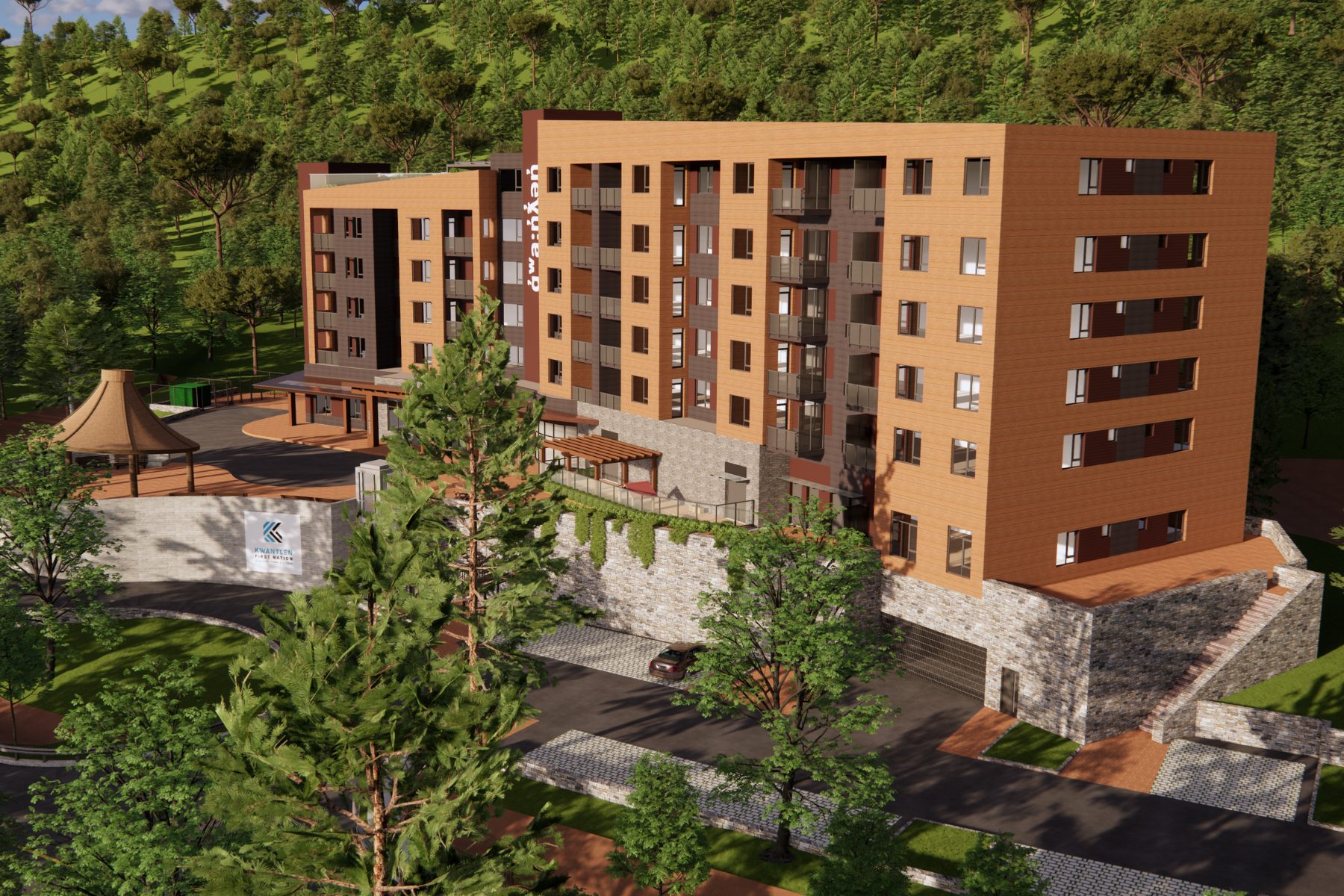
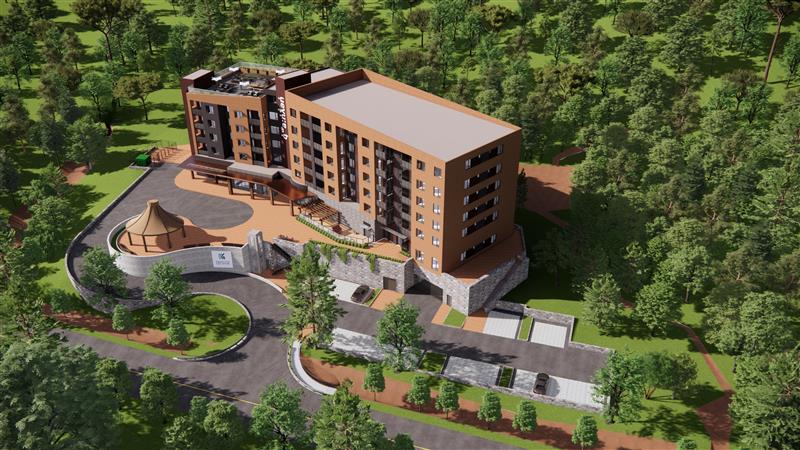
The final development will provide a mix of one, two, and three-bedroom homes, becoming a place where families can live together, uphold cultural traditions, and raise children within a supportive, spiritually rooted environment. It will incorporate culturally significant colours, traditional materials, and amenities on the main level and rooftop—such as a communal kitchen, cultural rooms, and outdoor gathering space— that encourage gathering and ceremony. These features reflect and honour the values of the Kwantlen Nation while fostering connection and resilience.
Architectural rendering courtesy of DYS Architecture
For Helen Song, Principal at O’Dea Song & Associates, who has been working closely with the Kwantlen Nation Affordable Housing Society, the one, two, and three-bedroom homes were “carefully tailored to support multigenerational living.” A key priority in its development was keeping families together—creating homes where Elders, young families, and single adults could live in proximity. This intentional approach fosters an environment where knowledge, tradition, and culture can be shared and passed down organically across generations.
The Kwantlen Non-Market Housing initiative will also provide a stand-alone, two-storey wood frame childcare facility spanning 5,380 square feet, envisioned to support early childhood development while embedding cultural teachings for children in the community. “This centre represents a commitment to cultural renewal and nurturing future generations on Kwantlen land,” Song explains. It will incorporate land-based education, language preservation, and traditional knowledge, immersing children in a culturally rich environment during the formative early stages of their development.
Beyond Building | A Cultural Reclamation
The Kwantlen Nation has lived on this land for countless generations, and this housing initiative represents a profound milestone in reclaiming land, culture, and community. To Song, the delivery of these affordable rental homes extends well beyond providing housing: “By enabling Kwantlen Members to return home, it reinforces belonging and reaffirms identity – fundamental components of long-term wellness and prosperity.”
By creating spaces where culture and tradition are embedded in everyday living, this housing initiative will provide a strong foundation for the Kwantlen Nation to support future generations and continue strengthening their community. This much-needed on-reserve housing signifies the potential that emerges when “developers, funders, and policymakers prioritize early engagement, honor Indigenous governance structures, and create room for cultural leadership,” Song advises. This commitment will guide us as we move into the construction phase of the Kwantlen Non-Market Housing initiative.
This project marks a significant step toward community enrichment, cultural preservation, and sustainable housing. Kindred Construction is proud to play a role in bringing this vision to life and is committed to contributing to its long-term success.
Share article
You might also be interested in
How AI and Technology Will Transform the Construction Industry in 2026
In a recent Techcouver leadership piece, Kindred Construction’s Chief Operating Officer, Matthew Reid, explores how AI, automation, and digital tools are set to transform the construction industry in 2026. From AI-driven project planning and predictive scheduling to VR-enabled site walkthroughs,...
In his REMI Network opinion piece, Matthew Reid, Chief Operating Officer at Kindred Construction, argues that British Columbia’s new permitting reforms and prompt payment legislation represent a pivotal shift for the construction industry. Long plagued by red tape, delayed approvals,...
Urbanarium’s Decoding Timber Towers is a global design competition that attracted 44 submissions from six countries, challenging teams to reimagine the traditional concrete high-rise as a mass timber–based, low-carbon, and cost-effective prototype. In essence, the competition aimed to demonstrate that...